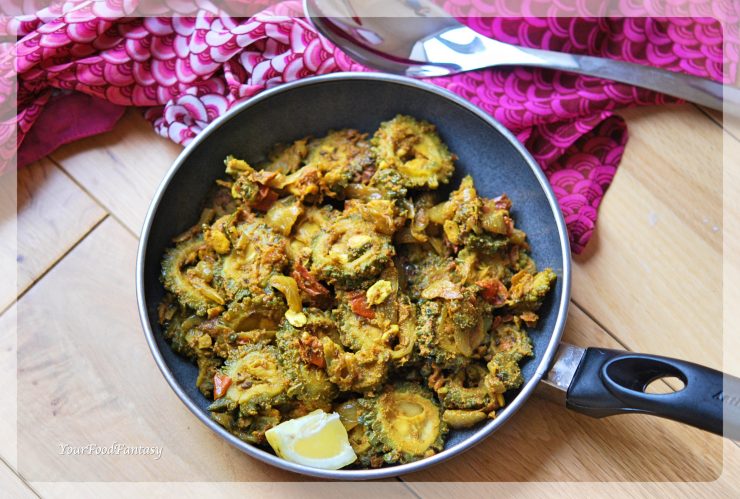
Masala Karela Sabzi is a flavorful Indian dish. It is made with karela (bitter gourd). The karela is cooked in a rich blend of aromatic spices. The karela is prepped to reduce its bitterness, sautéed with onions, tomatoes, and masala, and roasted to perfection. This dry karela sabzi pairs beautifully with chapati, or paratha. It’s a nutritious and diabetic-friendly recipe that transforms the humble bitter gourd into a delicious side dish.
Jump To
What is Karela
Karela, also known as bitter gourd, is a tropical vegetable that packs a punch with its unique bitter flavor. Though it might not win any “taste of the year” awards, this humble veggie is a powerhouse of health benefits. Don’t let the bitterness fool you. Karela is one of the most beneficial vegetables you can add to your diet. It offers a wide range of therapeutic qualities.
Benefits of Karela (Bitter Gourd)
1. Purifies Blood:
Bitter gourd is like a natural detox for your blood. It helps cleanse your system, promoting better circulation and a healthier complexion. So, if you’re looking for a “clearer skin” solution, consider adding a little bitter love to your plate!
2. Excellent for Diabetics:
If you or someone you know is diabetic, bitter gourd is a gift from nature. It helps regulate blood sugar levels, making it a must-have in any diabetic-friendly diet. Forget the sugar rush, and embrace the karela power!
3. Skin Saviour:
Struggling with skin issues like acne or eczema? Karela to the rescue! Its anti-inflammatory properties help in treating skin disorders, giving you that healthy glow (minus the expensive creams).
4. Heart Health:
If you want a happy heart, karela is your go-to vegetable. Its high nutrient content, including potassium and magnesium, supports heart health by regulating cholesterol levels and improving blood circulation.
5. Packed with Nutrients:
Karela is loaded with essential nutrients such as Iron, Calcium, and Phosphorous. It also boasts an impressive supply of Vitamins B and C. These vitamins contribute to overall well-being. They keep your body strong and your immune system in top shape.
6. Improves Constipation:
Say goodbye to digestive woes! Karela’s fiber-rich content aids in improving digestion and relieving constipation. It’s like a gentle nudge for your gut to keep things moving.
Why Should You Love Karela?
Karela may not be the easiest vegetable to love because of its bitter bite. However, its impressive health benefits make it totally worth the try. You might enjoy it in a karela masala. It can also be prepared as a stir-fry or in a fresh juice. This vegetable should be a staple in your health regimen. Plus, it’s a great conversation starter (pun intended!). After all, how many vegetables are both nutritious? How many also pose a bit of a challenge to your taste buds?
Ingredients for Karela masala
1. 4 Karela (Bitter Gourd) – The star of the dish! Karela is rich in antioxidants and helps in blood purification, regulates blood sugar levels, and supports heart health.
2. 1 Teaspoon Ginger (Grated) – Adds a warm, zesty kick and aids in digestion. Ginger also has anti-inflammatory properties and supports immunity.
3. 3 Cloves Garlic (Finely Chopped) – Garlic not only enhances the flavor but also has antimicrobial and cardiovascular benefits.
4. 3 Medium-Sized Onions (Thinly Sliced) – Onions provide a mild sweetness. This sweetness balances the bitterness of karela. Additionally, onions promote good heart health and improve digestion.
5. 3 Medium-Sized Tomatoes (Chopped) – Tomatoes add a tangy depth. They are rich in vitamins A and C, which are good for the skin and immune function.
6. 1 Teaspoon Cumin Seeds – Cumin adds a warm, earthy flavor and aids in digestion and boosting metabolism.
7. 1/4 Teaspoon Asafoetida (Hing) – Known for its digestive properties. Asafoetida helps reduce bloating and gas. This makes the dish easier on the stomach.
8. 1/2 Teaspoon Turmeric Powder – Turmeric has anti-inflammatory properties and promotes a healthy digestive system.
9. 1 Teaspoon Coriander Powder – Adds a subtle citrusy flavor and supports digestion and immunity.
10. 1/2 Teaspoon Red Chilli Powder – Adds heat and spice, helping to increase metabolism and improve digestion.
11. 1/2 Teaspoon Dry Mango Powder (Amchur) – Offers a tangy twist and helps in digestion while enhancing the flavor balance.
12. 1 Teaspoon Fennel Seed Powder – Fennel aids digestion and has a mild sweetness, complementing the bitterness of karela.
13. 1.5 Teaspoon Salt (To Taste) – Enhances all flavors and brings out the natural taste of karela.
14. 1/2 Teaspoon Garam Masala Powder – Adds a warm, aromatic depth to the dish and boosts overall flavor.
15. 2 Tablespoons Oil – Helps sauté the spices and vegetables, creating a rich, flavorful base for the karela masala.
Each ingredient in this recipe contributes to the taste. It also offers numerous health benefits.
How to make best karelas at home
Prep the Karela
- Wash the karelas thoroughly and pat them dry.
- Slice them into thin wedges and sprinkle 1 teaspoon of salt evenly over the pieces.
- Set aside for 1-2 hours to reduce bitterness.
- After the resting time, rinse them well under running water using a colander. Allow them to drain.
Prepare the Masala
- Heat 2 tablespoons of oil in a pan or kadhai over medium heat.
- Add a pinch of asafoetida and cumin seeds. Once the seeds crackle, add chopped onions, ginger, and garlic.
- Sauté until the onions turn pinkish-brown and fragrant.
Add Spices and Tomatoes
- Stir in turmeric powder, red chili powder, coriander powder, and garam masala. Cook for about 1 minute to release the aroma of the spices.
- Add chopped tomatoes and sauté until the tomatoes soften and the masala starts leaving oil from the edges.
Cook the Karela
- Add the prepared karela wedges to the pan. Mix everything thoroughly so the karela gets coated with the masala.
- Cover the pan with a lid and let the karela cook for 10 minutes on low-medium heat. Stir occasionally to prevent sticking.
- Remove the lid, stir, and cook for another 5-7 minutes until the karelas are tender and well-cooked.
Final Touch
- Once the karela is cooked, increase the heat slightly. Roast the sabzi for 2 more minutes for a deliciously smoky flavor.
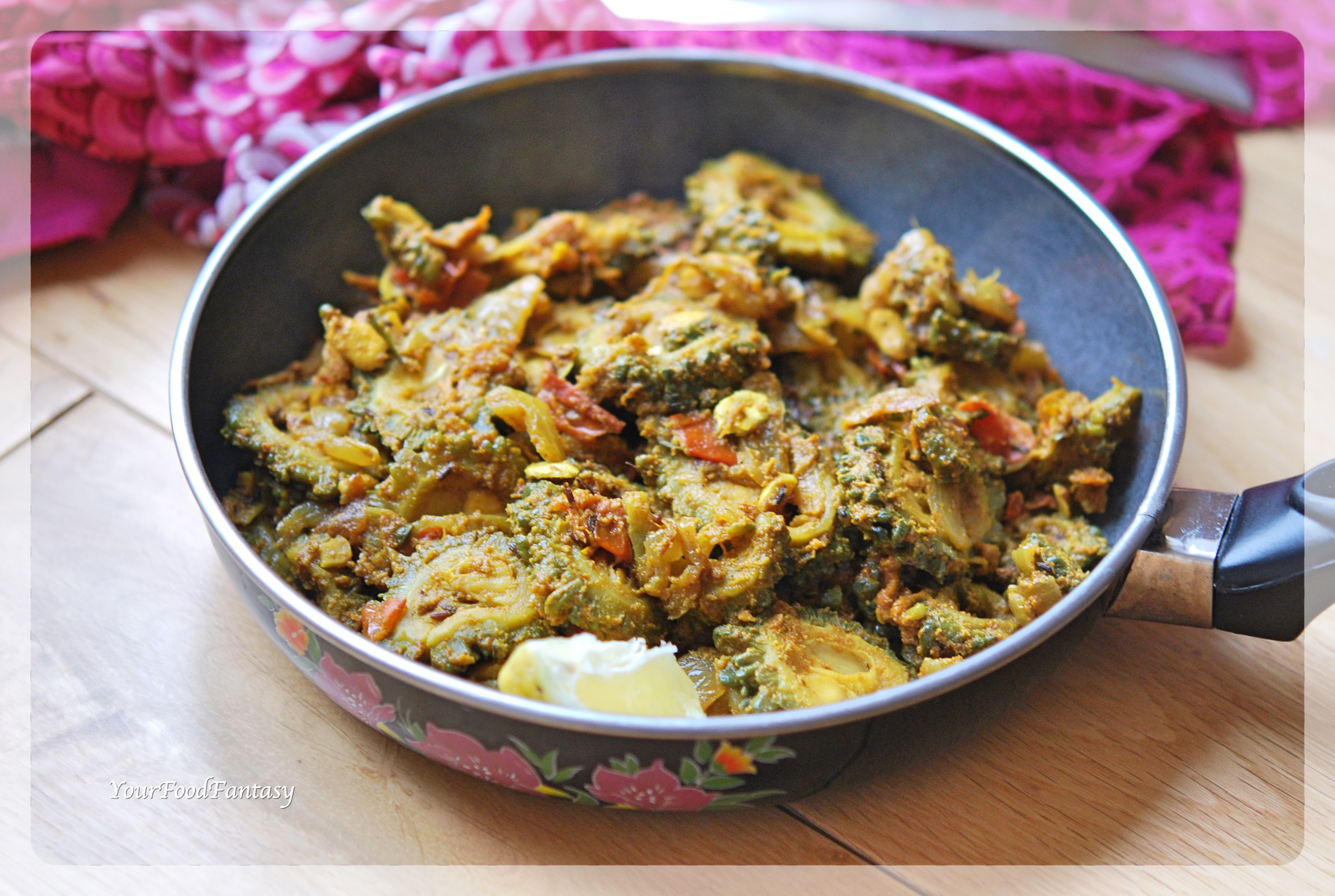
- Turn off the heat and transfer the masala karela sabzi to a serving bowl.
Pro tips for making best karela at home
Making Karela Masala can be tricky due to the bitter taste of bitter gourd. However, with these pro tips, you’ll achieve a delicious and flavourful dish every time!
1. Salt Soak to Reduce Bitterness
Before cooking, slice the karela and sprinkle it with salt. Let it sit for 1-2 hours to draw out excess bitterness. Afterward, rinse thoroughly to remove the bitterness. This step ensures a milder flavor without compromising the health benefits.
2. Sauté the Spices for Full Flavor
Always sauté the cumin seeds, asafoetida, and ginger until fragrant before adding onions. This enhances the depth of flavors. It allows the spices to release their essential oils. This gives the dish a rich, aromatic base.
3. Add Tomatoes at the Right Time
Add the chopped tomatoes only when the onions are golden. This helps the tomatoes cook down into a soft, flavorful base. It reduces their tanginess. This balances the bitterness of the karela.
4. Adjust Spice Levels
Feel free to adjust the red chili powder and garam masala to suit your spice preference. If you prefer a milder taste, reduce the chili powder. For an extra punch, increase the garam masala towards the end for a fragrant finish.
5. Perfect the Cooking Process
After adding the karela, cover and cook for 10 minutes. Stir occasionally to ensure even cooking. The slow cooking process helps soften the bitter gourd and lets the spices infuse deeply into the vegetables.
6. Roast at the End
Once the karela is tender, increase the heat slightly and roast the sabzi for 2-3 minutes. This adds a slight crispiness and enhances the overall flavor.
Follow these tips to perfect your karela masala and enjoy a flavourful, nutritious dish!
Why should you try this Karela Masala (bitter gourd sabzi)
1. Health Benefits Galore
Karela (bitter gourd) is a powerhouse of nutrients. From purifying blood to aiding in digestion, regulating blood sugar, and promoting heart health, this vegetable offers amazing health benefits. It’s a must-try for those looking for a nutritious, diabetes-friendly dish.
2. Tasty Yet Nutritious
Bitter gourd might not be everyone’s first choice due to its bitterness. However, the Karela Masala recipe balances the bitterness with a perfect blend of aromatic spices. The sautéed onions, tomatoes, and flavorful masalas help create a savory dish. It is slightly tangy. This will make you forget about the bitterness altogether.
3. A Flavor Explosion
With spices like cumin, garam masala, coriander, and fennel powder, Karela Masala is bursting with rich, layered flavors. This dish is a perfect balance of spicy. It is also tangy and slightly sweet. This makes it an ideal addition to your meal repertoire.
4. Perfect for a Variety of Diets
Whether you’re watching your blood sugar levels or following a low-carb diet, this recipe is ideal. It’s also perfect if you just want a healthy, wholesome meal. It’s diabetic-friendly, rich in fiber, and provides essential vitamins and minerals.
5. Simple and Quick to Make
Despite the health-packed ingredients, Karela Masala is easy to prepare and doesn’t require complicated cooking techniques. A simple yet satisfying dish that will impress anyone who tastes it!
Give Karela Masala a try and enjoy a nutrient-packed, flavor-filled meal that’s good for your body and your taste buds!
Serving suggestion
1. With Chapati or Paratha
Serve Karela Masala alongside soft chapati or crispy paratha for a hearty and satisfying meal. The warmth of the bread complements the spicy, tangy karela, making it a perfect pairing.
2. As a Side Dish
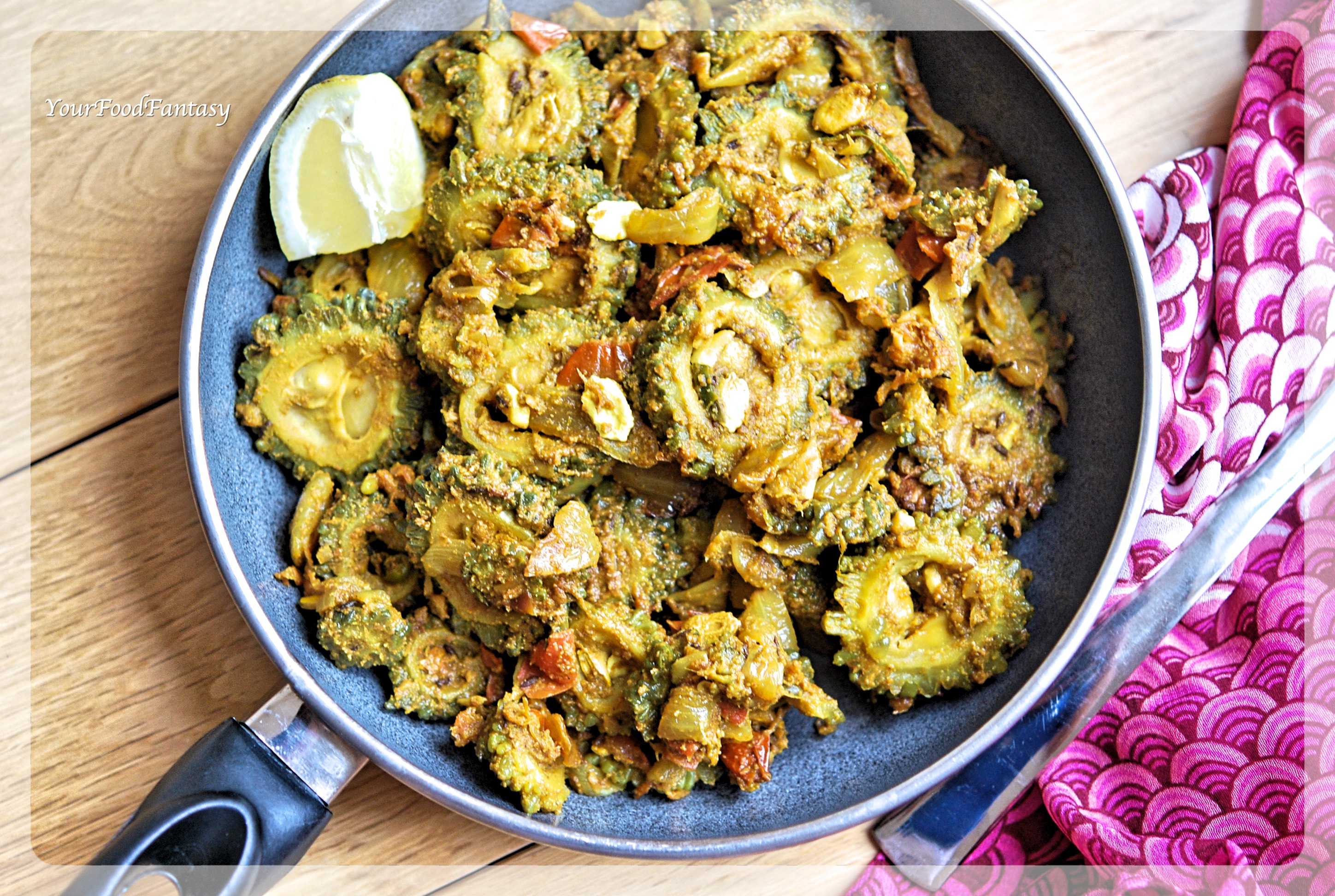
Karela Masala works wonderfully as a side dish to complement a larger meal. It pairs well with lentil dishes like dal or curries such as chicken curry or paneer tikka masala.
FAQs about Karela and Karela Masala recipe
1. What is Karela (Bitter Gourd) and Why Should I Eat It?
Karela, or bitter gourd, is a tropical vegetable with a distinct bitter flavor. Despite its bitter taste, karela provides amazing health benefits. It helps in blood sugar regulation and supports heart health. It also offers a rich dose of vitamins and minerals like B, C, iron, and calcium. Think of it as the “tough love” vegetable that does wonders for your health!
2. How Can I Reduce Karela’s Bitterness?
To reduce the bitterness, slice it and sprinkle with salt. Let it rest for 1-2 hours, then rinse well. This simple step helps balance the bitterness, making it more palatable without losing its health benefits.
3. Is Karela Masala Diabetic-Friendly?
Yes! Karela Masala is a fantastic choice for diabetics. It is known to regulate blood sugar levels. So it’s not just delicious, but also diabetic-friendly.
4. Can I Make Karela Masala Without Spices?
Technically, you could, but it won’t be Karela Masala without the spices! If you prefer less heat, adjust the chili and garam masala to taste. The spices are key to enhancing the karela’s flavor.
5. Can I Use Other Vegetables Instead of Karela?
While karela is unique, you can experiment with bitter melon or zucchini. However, the distinct taste and health benefits of karela are irreplaceable!
6. Can I Make Karela Masala in Advance?
Yes! Karela Masala tastes even better the next day when the flavors have had time to develop. Just store it in the fridge and reheat when ready to serve.
Try this flavourful dish, and let the bitterness become a delightful experience!
If you like Karela, you can try another variant of this in the Stuffed Karela format.
Recipe Card
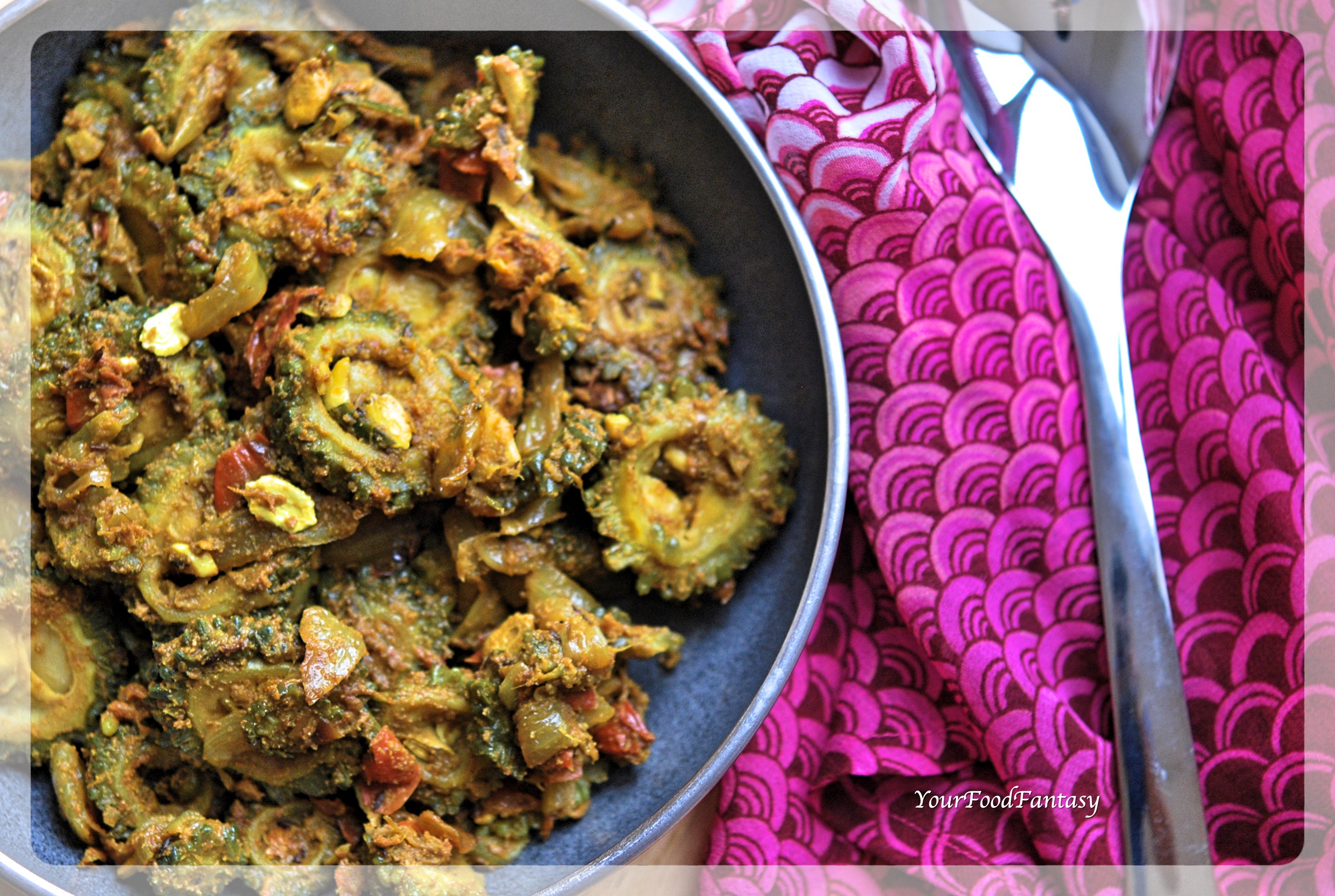
Karela Sabzi | Karela Masala
Ingredients
- 4 Karela / Bitter Gourd Karela
- 1 Teaspoon Ginger Grated
- 3 Cloves Garlic Finely Chopped
- 3 Onion Medium size, thinly sliced
- 3 Tomatoes Medium size, chopped
- 1 Teaspoon Cumin Seeds
- 1/4 Teaspoon Asafoetida
- 1/2 Teaspoon Turmeric Powder
- 1 Teaspoon Coriander Powder
- 1/2 Teaspoon Red Chilli Powder As per taste
- 1/2 Teaspoon Dry Mango Powder / Amchur
- 1 Teaspoon Fennel Seed Powder
- 1.5 Teaspoon Salt As per taste
- 1/2 Teaspoon Garam Masala Powder
- 2 Tablespoon Oil
Instructions
- Wash the karelas thoroughly and pat dry. Cut them into thin round wedges and spread 1 teaspoon of salt over them and mix well. Keep them aside for 1-2 hours. This step helps in reducing the bitterness of karelas. After that wash them properly in a colander and let them drain.

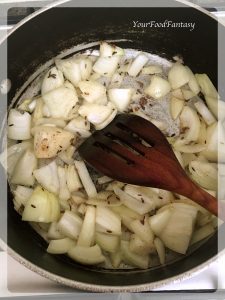
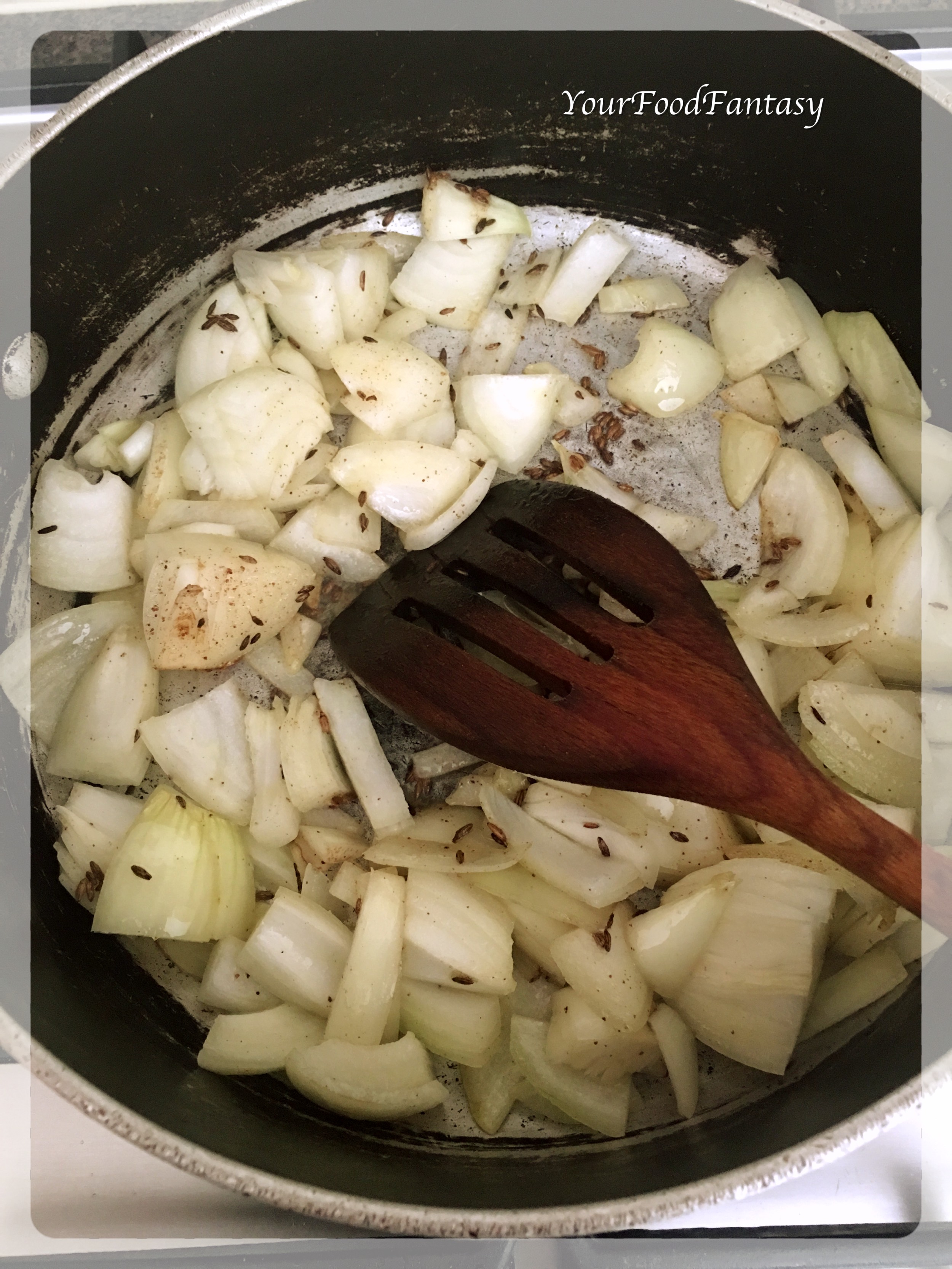
- Heat 2 tablespoons of oil in a pan / kadhai. Add Asafoetida and Cumin seeds, once they crackle add chopped onions, ginger and garlic in the pan and sauté on medium heat till the onions are pinkish brown.
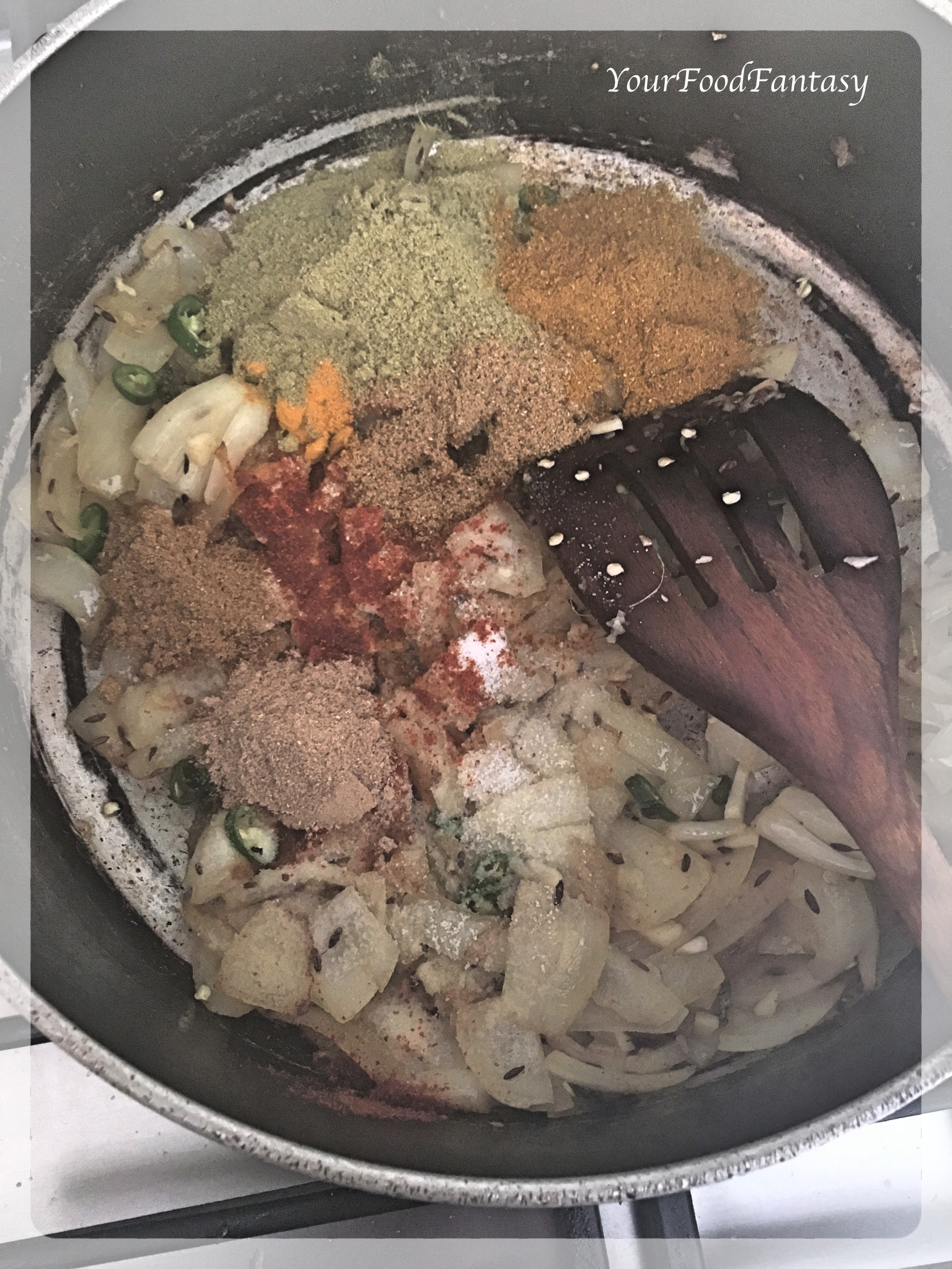
- Now add all the spices and sauté for 1 minute.

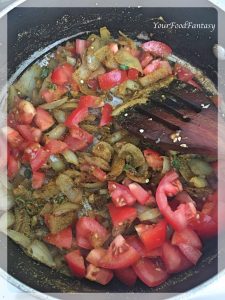
- Add chopped tomatoes and sauté till they are cooked and Masala starts leaving Oil.
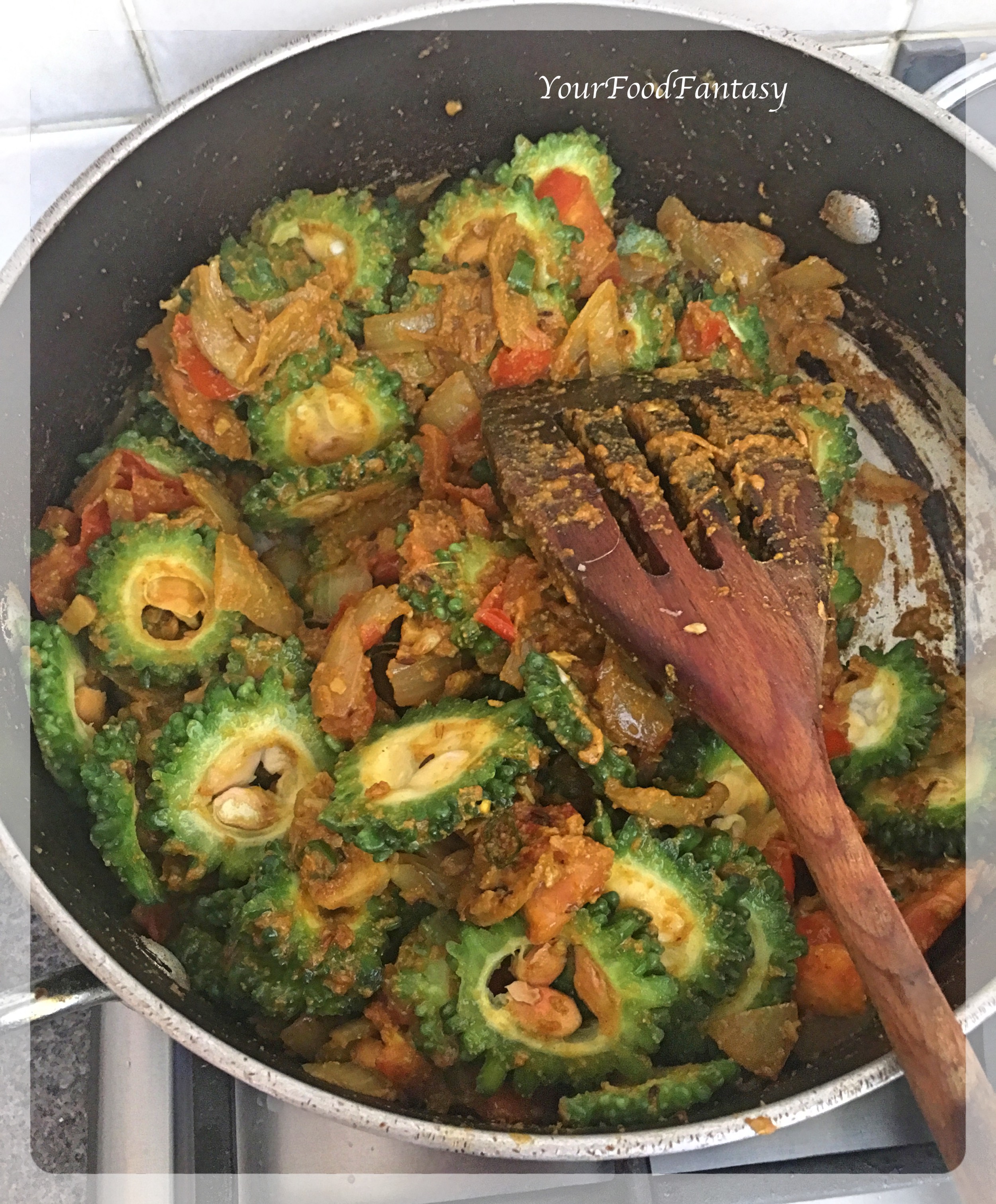
- Add the Karela wedges and mix well. Cover with lid and let them cook for 10 minutes.

- Stir and again cover the lid and let them cook for 5-7 minutes till they are cooked properly. Open the lid and roast them for 2 more minutes. Switch off the flame and transfer them to a serving bowl.
- Serve the Masala Karela Sabzi along with Chapati, paratha or any bread of your choice.




Notes
- You can use 1 tablespoon jaggery or 1 teaspoon of sugar while making Masala to give a little sweeter taste to karela.
- If you don’t have time to keep karelas, and want to make them really quick, you can pressure cook the raw karela wedges with salt and 1.5 cup of water for 2 whistles. Drain and then fry them with the onion tomato Masala.
- Do not add any water while cooking Karela, as it’s being a green vegetable, leaves its own water while cooking.
Never liked Bitter Gourd from my childhood. Learnt about advantage and medicinal benefits. This thought to cook it at home. Looking for an easy recipe as I don’t want to invest time in a vegi which I never liked. Found an easy recipe on your site. Great! Will cook soon…
Oh thank you Punam. Pleased that you liked this recipe of bitter gourd.